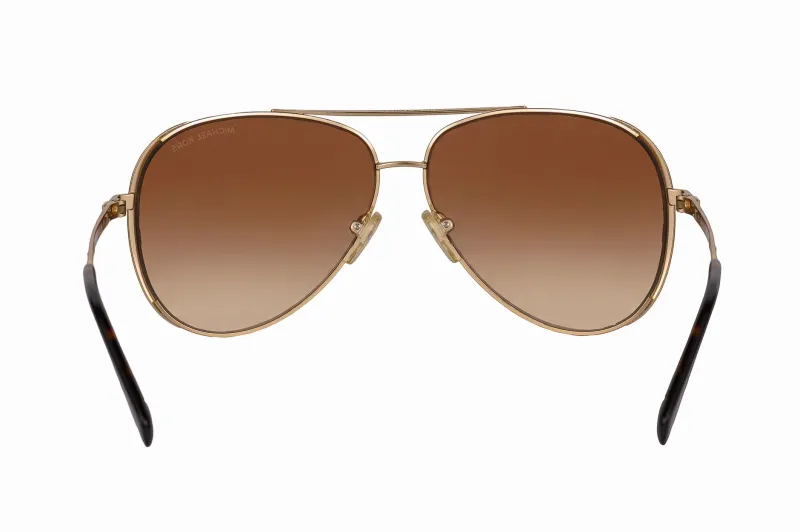
Behind the Wheel and Behind the Lens: Why Aviators Have Become America's Favorite Driving Shades

Pull up to any stoplight on a busy American freeway during rush hour and take a look around. Odds are, at least a few of those drivers are wearing aviators. It's not a coincidence — and it's not purely a style thing either. Over the past decade, pilot-style frames have quietly become the default sunglass choice for commuters coast to coast, and the reasons run a lot deeper than aesthetics.
So what's actually going on here? Why are so many drivers ditching their wraparounds and wayfarers in favor of those classic teardrop lenses? We dug into the science, talked to some experts, and gathered real-world feedback from drivers who made the switch. What we found might surprise you.
The Windshield Problem Nobody Talks About
Here's something most drivers don't think about: your windshield is basically a giant lens. Glass at an angle refracts and scatters light in ways that can seriously strain your eyes, especially during those brutal early-morning or late-afternoon drives when the sun sits right at eye level.
Dr. Melanie Okafor, an optometrist based in Phoenix who works with a large population of long-haul commuters, explains it this way: "The angle of a standard windshield creates a specific type of horizontal glare that conventional lenses don't fully address. Aviator frames, with their larger teardrop shape and slight downward lens curvature, naturally intercept more of that reflected light than a smaller or flatter frame would."
In other words, the geometry of the classic aviator lens — developed originally to protect military pilots from intense high-altitude light — happens to translate almost perfectly to the driving environment. That's not a marketing line. It's just good optical physics.
Lens Technology That Actually Matters in the Car
Not all aviator lenses are created equal, and if you're buying a pair specifically for driving, the lens technology matters a lot more than the frame color.
Polarized lenses are the big one. Horizontal glare — the kind that bounces off wet roads, hoods of other cars, and concrete overpasses — is dramatically reduced by polarized coatings. Most quality aviators in the $80–$300 range come polarized as standard, and drivers who've made the switch consistently report less eye fatigue on long commutes.
However, there's a caveat worth knowing: polarized lenses can sometimes make LCD screens harder to read, which matters if your car has a digital dashboard or GPS display. If that's your setup, look for aviators with anti-reflective coatings instead — they cut glare without the LCD conflict.
Lens tint color also plays a bigger role than most people realize. Gray tints are the gold standard for driving because they reduce brightness without distorting color perception — you'll still accurately read traffic lights and brake lights. Amber and copper tints enhance contrast and depth perception, which some drivers prefer for overcast days or highway driving. Avoid pure blue or mirrored tints for daily driving; they look great in photos but can mess with your ability to distinguish signal colors at speed.
Lens size is where aviators genuinely shine for drivers. The larger coverage area means less peripheral light intrusion — that annoying glow that sneaks in around smaller frames and forces your eyes to constantly readjust.
The Confidence Factor Is Real
Beyond the optical science, there's a psychological dimension to driving in aviators that's worth taking seriously.
Jared Kimball, a driving safety instructor in Atlanta who's worked with commercial drivers for over fifteen years, has noticed a pattern. "When drivers feel physically comfortable — when their eyes aren't straining and they're not squinting — their overall alertness improves. It sounds simple, but eye comfort is a huge part of driver confidence and reaction time."
There's also something to be said for the aviator's cultural association with control and competence. Pilots wear them. Highway patrol officers wear them. That unconscious association can actually shift your driving mindset in subtle but meaningful ways — you sit up a little straighter, you're a little more deliberate. It sounds like pop psychology, but it's a pattern that shows up consistently in how people describe the experience.
Take Marcus T., a sales rep from Dallas who drives about 400 miles a week for work. "I switched to aviators two years ago after my optometrist suggested it for glare issues. Honestly? I feel more focused on long drives. I don't know if it's the lenses or just the fact that I feel like I look like I know what I'm doing, but either way, I'm not going back."
Or Sandra Reyes from Los Angeles, who commutes 45 minutes each way on the 405. "The morning sun coming over the hills used to kill me every day. I tried everything. Then a coworker suggested aviators with amber lenses. Game changer. I actually look forward to my commute now, which I never thought I'd say."
Frame Fit for the Driver's Seat
One practical consideration that doesn't get enough attention: how your sunglasses interact with your car's headrest and seatbelt.
Bulky wraparound frames can get pushed and bent when you lean back against a headrest, which gradually warps the frame and throws off the lens alignment. Aviators, with their thinner metal frames and two-point nose bridge, tend to sit more neutrally on the face and tolerate the driver's seat position better over time.
For drivers who wear prescription lenses, aviators are also one of the most accommodating styles for Rx inserts and clip-on adapters — something worth discussing with your eye doctor if you need corrective lenses behind the wheel.
What to Look For When Buying Driving Aviators
If you're ready to make the switch, here's a quick checklist:
- Polarized or AR-coated lenses depending on your dashboard setup
- Gray or amber tint for best driving visibility
- Large lens coverage to minimize peripheral light intrusion
- Lightweight metal frame that won't shift or press uncomfortably during long drives
- UV400 protection — non-negotiable for any outdoor use, including driving
- Secure but comfortable nose pads — you don't want them sliding down when you're checking mirrors
Brands like Ray-Ban, Maui Jim, and Serengeti all offer aviator models purpose-built for high-glare environments, with Maui Jim's polarized options frequently cited by optometrists as among the best for driving specifically.
The Bottom Line
Aviators became America's commuting shade of choice for a reason — actually, for several reasons at once. The lens geometry, the coverage area, the compatibility with quality optical coatings, and yes, the confidence boost of wearing a frame that signals you mean business all add up to a genuinely superior driving experience.
Next time you're stuck in traffic wishing you'd grabbed a better pair of shades, remember: the answer might be sitting right there in the classic shape that's been protecting eyes since the cockpits of World War II. Sometimes the old design really is the best design.