Make It Yours: The Wild, Creative World of Aviator Customization in America
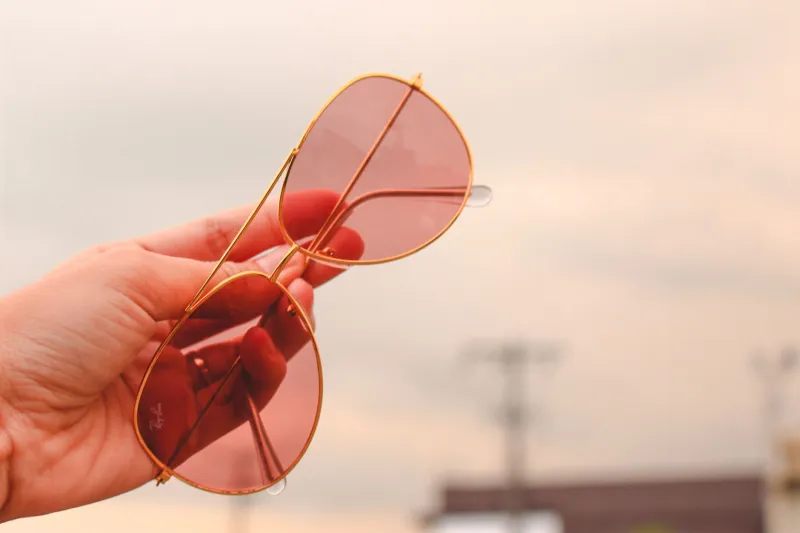
There's a reason aviator sunglasses have lasted a century without going out of style — the base design is practically perfect. Clean lines, timeless proportions, universal appeal. But for a growing number of Americans, "perfect" is just a starting point.
From gradient lens tints in unexpected colors to custom-engraved frames and aftermarket nose pad upgrades, the world of aviator personalization has exploded in the last few years. Call it the intersection of classic design and personal expression. Call it the natural evolution of a culture that's always believed in putting its own stamp on things. Either way, it's happening everywhere — in small customization shops in Brooklyn, in DIY forums in Denver, in Instagram threads out of Nashville — and it's changing how people think about buying (and wearing) aviators.
Why Aviators Are the Perfect Canvas
Not every sunglass frame lends itself to customization. Plastic frames are harder to modify without cracking. Thick acetate doesn't play well with aftermarket lenses. But the classic metal aviator frame — typically built from monel, stainless steel, or titanium — is almost modular by nature.
The screwed hinge systems, removable nose pads, and standardized lens sizes mean that a surprising number of components can be swapped, upgraded, or replaced without specialized tools. That accessibility is a big part of why the DIY aviator scene has taken off the way it has.
"Aviators are the Levi's 501 of sunglasses," says Tyler Marsh, who runs a small optical customization studio in Austin called Refract & Co. "The original design is iconic, but it's also this incredibly open platform. People come in wanting to make something that feels like them, and the aviator frame lets you do that without losing what makes it great in the first place."
Lens Tints: Where Most People Start
If you're new to customization, lens tint is the lowest-commitment, highest-impact change you can make. The classic options — gray, brown, green — are perennial for a reason, but the current trend is pushing hard toward more expressive territory.
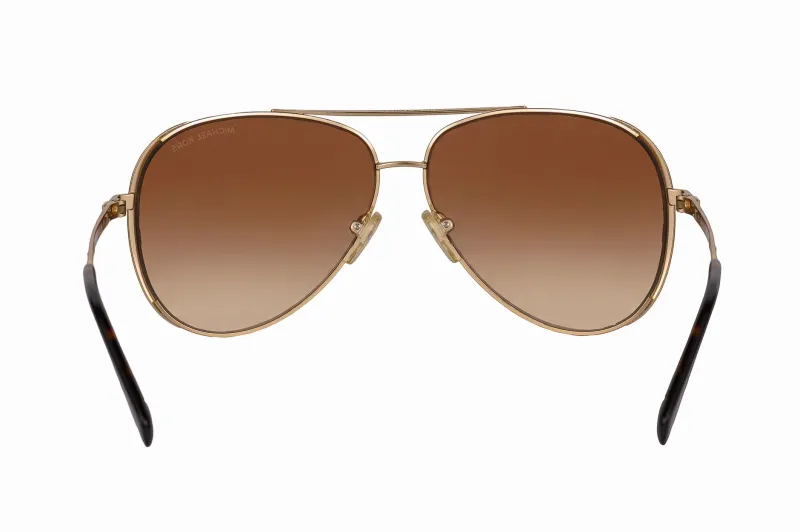
Gradient tints are having a serious moment right now. The classic gradient (darker at the top, fading to lighter or clear at the bottom) gives aviators a retro-luxe feel that photographs incredibly well and works surprisingly well for driving, since the lighter lower portion lets you read dashboards more easily. Sunset gradients — amber fading into rose — are especially popular in coastal markets like Miami and San Diego.
Mirrored coatings have evolved way beyond the basic silver flash. Custom shops can now apply gold, rose gold, blue, and even iridescent rainbow coatings to standard lenses, completely transforming the look of an otherwise understated frame. These are surface coatings applied over a base tint, so you can have a polarized gray lens with a gold mirror flash — form and function together.
Photochromic (transition) lenses are a practical upgrade that's growing in popularity among commuters and outdoor enthusiasts. These lenses darken automatically in UV light and lighten indoors, which means one pair of customized aviators can genuinely handle most situations without a swap.
For anyone considering a DIY lens swap, the key measurement you need is the lens diameter — most standard aviators run between 52mm and 62mm, and replacement lenses are widely available online from suppliers like Revant Optics and Sunglass Fix. That said, cutting lenses to fit non-standard frames is a job best left to an optical shop.
Frame Modifications: Going Deeper
Once you've sorted your lenses, the frame itself opens up a whole other world of options.
Nose pad upgrades are underrated. The silicone nose pads on most stock aviators are functional but generic. Aftermarket options include memory foam pads (dramatically more comfortable for long wear), titanium pads for a more premium look, and adjustable clip-style pads that let you dial in the exact fit. For anyone with a narrower or wider nose bridge than average, this single swap can make a $50 pair of aviators feel like a $300 pair.
Temple tip replacements are another small change with a big feel difference. Swapping out plastic temple tips for acetate or rubber alternatives changes both the tactile experience and the visual detail of the frame in ways that are subtle but noticeable.
Frame color coating is where things get more adventurous. Some customization shops offer powder coating and anodizing services for metal frames, which can transform a standard gold frame into matte black, brushed rose gold, or even two-tone finishes. This is not a DIY project — it requires stripping the original finish, proper prep, and professional application — but the results can be stunning and surprisingly durable.
Engraving has become a popular choice for people who want something genuinely unique or are gifting a pair as a keepsake. Temple arms are the most common engraving location — initials, coordinates, a short phrase. Laser engraving services are available through Etsy sellers and local trophy shops, and the cost is typically $15–$40 depending on complexity.
Regional Styles: How Location Shapes Personalization
One of the more fascinating things about the aviator customization scene is how distinctly regional it's become.
In Southern California, the emphasis is on surf-adjacent aesthetics: light frames, gradient blue or ocean-green lenses, and relaxed fits that hold up to beach days. Brands like Blenders Eyewear have built entire product lines around this vibe.
In New York and the Northeast, the trend skews more editorial — matte black frames with unconventional lens shapes, rose or smoke tints, and minimalist hardware. The goal is something that reads as intentional and fashion-forward rather than sporty.
In Texas and the South, oversized frames with gold hardware and amber or brown lenses dominate. There's a premium placed on bold, confident looks that read clearly even from a distance — big frames, strong presence.
In the Mountain West, function leads form. Customizers in Denver and Salt Lake City gravitate toward photochromic lenses, rubberized nose pads for active use, and polarized coatings optimized for high-altitude sun reflection off snow.
How to Get Started Without Messing Up Your Frames
If you're ready to experiment, a few ground rules will save you a lot of frustration:
-
Start with lenses, not the frame. Lens swaps are reversible. Frame modifications often aren't. Get comfortable with the customization process before you commit to anything permanent.
-
Buy a secondary pair to experiment on. Don't practice DIY lens replacement on your $300 Ray-Bans. Grab a well-made budget pair and get comfortable with the process first.
-
Know your measurements. Lens diameter, bridge width, and temple length all matter for fit and compatibility. They're usually printed on the inside of the temple arm.
-
Use the right tools. A micro screwdriver set and a lens removal tool (available for under $10 online) will prevent scratched lenses and stripped screws.
-
Don't skip UV protection. Whatever lens you put in your frame, make sure it carries UV400 certification. Tinted lenses without UV protection are actually worse than no sunglasses at all — your pupils dilate behind the tint, letting in more harmful radiation.
The Bigger Picture
Aviator customization isn't just a trend — it's a reflection of how Americans relate to the things they wear. We've always been a culture that pushes back against the off-the-shelf, that wants our clothes and accessories to say something specific about who we are. The aviator frame, with its century of cultural weight and its surprisingly flexible construction, turns out to be the perfect vehicle for that impulse.
Your aviators don't have to look like everyone else's. They probably shouldn't.