Your Brain on Aviators: The Neuroscience Behind Why These Frames Make You Think Clearer

You've probably heard someone say they "feel sharper" or "more dialed in" when they're rocking a good pair of aviators. Easy to dismiss, right? Sounds like the kind of thing people say to justify a $300 purchase. But here's the thing — the science is actually on their side. The way aviator frames are designed, from the oversized teardrop lenses to the low nose bridge, creates a visual environment that genuinely reduces cognitive load and supports clearer thinking. Let's get into it.
What "Cognitive Load" Has to Do With Your Sunglasses
Cognitive load is basically the mental bandwidth your brain uses to process information at any given moment. Think of it like RAM on a computer. When your brain is burning cycles managing distractions — like harsh glare bouncing off a car hood or the constant flicker of light through trees — it has less capacity left over for actual thinking, decision-making, and focus.
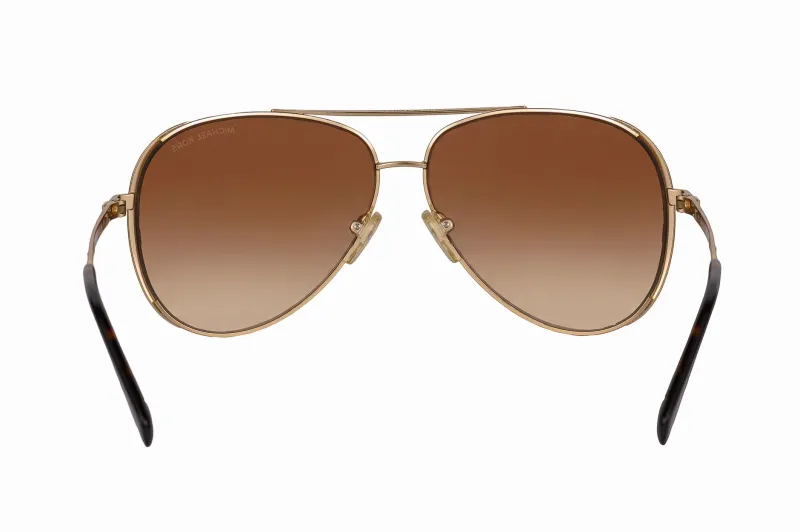
This is where aviator lenses earn their keep. The wide, curved lens design covers a significantly larger portion of your visual field compared to smaller or flatter frames. That expanded coverage means less intrusive light sneaking in from the sides, top, or bottom of the frame. Your brain stops playing defense against rogue photons and can redirect that processing power toward whatever actually matters — whether that's a business presentation, a long drive, or a critical third-quarter play.
Researchers studying visual ergonomics have noted that reducing peripheral light interference correlates with improved sustained attention. In plain English: less visual noise equals better focus. It's not magic. It's just how the brain allocates resources.
The Glare Problem Is Bigger Than You Think
Glare isn't just annoying — it's cognitively expensive. When intense reflected light hits your retinas, your pupils constrict rapidly and your visual cortex has to work overtime to compensate for the sudden contrast change. This cycle, repeated dozens of times during an average sunny afternoon, creates a kind of low-grade mental fatigue that most people don't even notice accumulating.
Quality aviator lenses — especially polarized ones — cut this cycle off at the source. Polarized filters block horizontally reflected light, which is the specific wavelength responsible for the worst kinds of glare off water, pavement, and glass. Studies on driving performance have shown that polarized lenses reduce reaction times and improve hazard detection in bright conditions. Athletes who train outdoors report better depth perception and ball-tracking ability when glare is controlled.
The teardrop shape of aviator lenses is particularly well-suited to blocking low-angle sunlight — the kind that hits you at eye level during morning or evening hours when the sun is at its most brutal and most horizontally direct. That's not a coincidence. The original military design was engineered specifically to handle that exact problem for pilots flying at altitude.
Peripheral Vision and the Confidence Loop
Here's something that doesn't get talked about enough: the relationship between peripheral vision and confidence. Your peripheral visual field is processed largely by the older, more instinctive parts of your brain — the parts responsible for threat detection and spatial awareness. When that field is cluttered with light interference, your nervous system can register low-level stress signals even if you're not consciously aware of them.
Aviator frames, by shielding a wider arc of your peripheral field without completely blocking it (the way, say, wraparound ski goggles would), hit a sweet spot. You still get full spatial awareness, but the chaotic light input is filtered and softened. The result is a subtle but real reduction in ambient stress — which neuroscientists would recognize as a decrease in sympathetic nervous system activation.
Less unconscious stress means you carry yourself differently. Your posture opens up, your voice steadies, your decision-making becomes less reactive. This is where the "confidence effect" that people associate with aviators comes from — and it's not entirely psychological. There's a physiological thread running through it.
Real-World Applications: Who Benefits Most?
Professionals on the move: If you're in sales, real estate, or any job that puts you outside in client-facing situations, managing your visual environment is part of managing your performance. Arriving at a showing or a site visit without squinting and eye strain means you're sharper from the first handshake.
Athletes and outdoor competitors: Golfers, cyclists, tennis players, and runners all operate in high-glare environments where split-second visual processing matters. Reducing the cognitive tax of glare management frees up reaction time and spatial judgment.
Drivers and commuters: The American commute is brutal on the eyes, especially during the golden hours of morning and evening. A well-fitted pair of aviators with polarized lenses can meaningfully reduce driver fatigue on long stretches of highway or gridlocked city streets.
Students and remote workers: If you're working outside or near bright windows, the cumulative effect of light management adds up. Less eye strain over a four-hour study session translates directly into better retention and sustained concentration.
Lens Tint Matters More Than You'd Expect
Not all aviator lenses are created equal when it comes to cognitive performance. The tint you choose has real implications:
- Gray lenses reduce overall brightness without shifting color perception, making them ideal for tasks requiring accurate color judgment — driving, sports, professional settings.
- Brown/amber lenses enhance contrast and are particularly effective in variable light conditions, which is why they're popular with golfers and hikers.
- Green lenses offer a middle ground, maintaining natural color balance while providing solid glare reduction — a classic choice for everyday wear.
- Yellow lenses are low-light performers, boosting contrast in overcast or dawn conditions, though they're less suited for intense sunlight.
Matching your tint to your activity isn't just an aesthetic choice — it's a performance optimization.
The Bottom Line
So the next time someone tells you they think better in their aviators, don't roll your eyes. The design that made these frames essential for military pilots in the 1940s — wide coverage, optimized light control, peripheral shielding — translates directly into measurable cognitive benefits for anyone operating in a bright, visually demanding environment. The neuroscience isn't complicated: less visual noise means more mental bandwidth. And more mental bandwidth means you're working at your actual best, not some glare-fatigued version of it.
That's a pretty compelling reason to invest in a quality pair.