Prescription Meets Pilot: Your No-Stress Guide to Rocking Aviators With Corrective Lenses
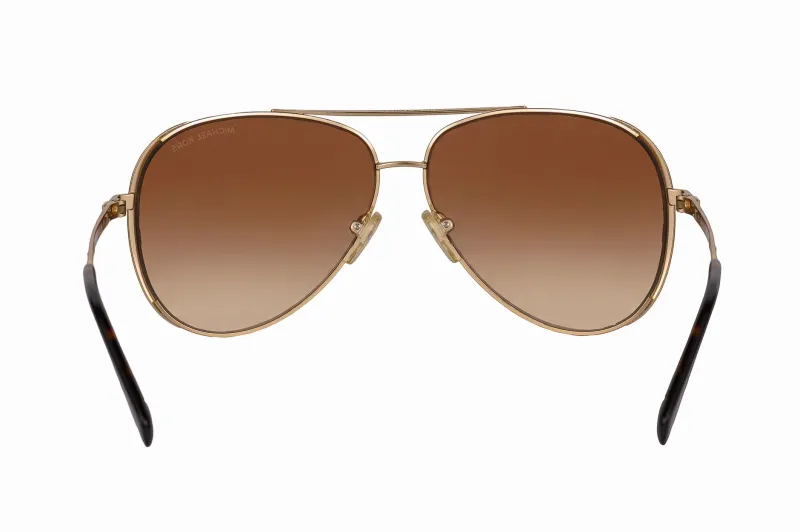
There are few fashion frustrations more relatable than loving a sunglass style that seems to work against your prescription. Aviators, with their large curved lenses and distinctive teardrop shape, have a reputation for being "tricky" with Rx lenses. And honestly? That reputation isn't entirely undeserved. But it's also way overstated. With the right information and a clear sense of your options, prescription aviators can be one of the most stylish and practical eyewear choices you make. Let's break it all down.
Why Aviators and Prescriptions Have a Complicated Relationship
Before we get into solutions, it helps to understand the actual challenge. Aviator frames are typically large, curved, and wider than most standard prescription frames. This creates two main issues:
Lens thickness: Strong prescriptions — particularly high minus (nearsighted) corrections — can produce noticeably thick lens edges in large frames. The bigger the lens, the more material needed to fill it, and the more obvious the thickness becomes at the edges. For high-plus (farsighted) prescriptions, the lens tends to look thicker at the center.
Base curve mismatch: Standard prescription lenses are ground with a relatively flat base curve. Aviator frames often have a more pronounced curve. Fitting flat Rx lenses into a curved frame can create optical distortion, especially toward the edges of the lens.
Neither of these problems is insurmountable. They just require knowing what to ask for when you're ordering.
Option 1: Custom Prescription Aviators
This is the gold standard — aviator frames ordered with lenses ground specifically to your prescription. Here's what to look for:
High-index lenses: If you have a strong prescription (anything beyond about ±3.00 diopters), ask for high-index lenses. These are made from denser materials that bend light more efficiently, allowing the same correction to be achieved with significantly thinner, lighter lenses. High-index 1.67 or 1.74 materials make a dramatic visual difference in large frames.
Anti-reflective coating: Non-negotiable for prescription sunglasses. Without it, you'll deal with internal reflections that interfere with vision and make the lenses look busy.
Matched base curve: Ask your optician to match the lens base curve to the frame. For aviators, this typically means requesting a base 6 or base 8 curve lens, which will sit flush and optically correct in the frame.
Where to order: Major optical chains like LensCrafters and Warby Parker both carry aviator-style frames that accommodate prescriptions. Online retailers like Zenni, EyeBuyDirect, and Clearly offer significant cost savings with reasonably good quality for mild to moderate prescriptions. For stronger or more complex Rx needs, working directly with an optician is worth the premium.
Option 2: Clip-On Aviators
Clip-ons have come a long way from the clunky flip-up contraptions of the 1990s. Modern magnetic clip-on aviators are slim, secure, and in many cases genuinely stylish. The concept is simple: you wear your regular prescription glasses, and the tinted clip-on attaches magnetically or via spring clips over the top.
Pros: No separate prescription needed. You can swap them on and off easily. Significantly cheaper than a full prescription sunglass pair. Works perfectly with frames you already own and love.
Cons: Getting the right fit matters — clip-ons work best when the tinted overlay closely matches the size and shape of your prescription frame. Look for brands like Cocoons or OPTIX 55 that offer aviator-specific clip-on designs. Magnetic systems are almost always more secure and easier to use than spring clips.
Style note: The key to making clip-ons look intentional is frame coordination. If your prescription frames are thin metal with a gold finish, choose a clip-on in a complementary gold or silver tone. Matching the metal finish makes the combination look deliberate rather than improvised.
Option 3: Fitover Sunglasses
Fitovers are larger sunglass frames designed to fit over your existing glasses. They're particularly popular among older adults and drivers. While they don't have the sleekest profile, several brands — including Solar Shield and Cocoons — make fitover aviator styles that are surprisingly wearable.
If you primarily need sun protection for driving and aren't concerned about maximum style points, fitovers are a practical, affordable, and instantly convenient solution. Polarized fitover aviators can be found for under $40 and provide solid UV protection over your regular glasses.
Navigating Costs: What to Budget
Prescription aviators span a wide price range depending on the route you take:
- Budget online Rx aviators (Zenni, EyeBuyDirect): $30–$80 including basic lenses. Add high-index material for another $30–$60. Good for mild prescriptions.
- Mid-range optical chains: $150–$350 for frames plus lenses, with better quality control and in-person fitting. Worthwhile for stronger prescriptions.
- Premium brands (Ray-Ban, Maui Jim, Oakley Rx): $300–$600+. These brands have invested specifically in prescription compatibility and offer superior lens options and frame construction.
- Clip-ons: $15–$60 depending on quality and magnetic vs. spring design.
- Fitovers: $20–$80.
Styling Tips to Make Prescription Aviators Look Sharp
Go for a slimmer frame: Thinner metal frames in classic gold or silver minimize the visual weight of thicker lenses and keep the look refined. Thick plastic aviator frames can amplify lens thickness.
Choose darker tints: Deeper lens tints (gray 80-85% or gradient shades) make lens thickness less noticeable by drawing attention to the tint itself rather than the edge of the lens.
Embrace gradient lenses: A gradient tint — darker at the top, fading to lighter at the bottom — is both on-trend and practically useful for Rx wearers, since the lighter lower portion helps with reading menus, phones, and documents without removing the glasses.
Get the fit right: Prescription aviators that are too wide will slide down and look sloppy. Make sure the frame width matches your face width, and that the nose pads sit correctly. Adjustable nose pads — a standard feature on most metal aviator frames — are your best friend here.
The Brands Worth Knowing
Ray-Ban offers a prescription service through their website and authorized retailers. Their RB3025 (the classic aviator) is available in Rx, and they've refined their lens compatibility significantly over the years.
Maui Jim is particularly strong for outdoor and active use. Their prescription lenses are made in-house and are widely praised for optical clarity — important if you're wearing aviators for sport or driving.
Warby Parker has a solid selection of aviator-adjacent metal frames that accommodate prescriptions and can be ordered with polarized sunglass lenses. Their home try-on program is a genuine help for frame selection.
Zenni is the go-to for budget-conscious shoppers. The quality is serviceable for everyday use, and the savings are real — just manage expectations on lens quality for high prescriptions.
You Don't Have to Choose Between Vision and Style
The era of choosing between seeing well and looking good is essentially over. Between high-index lens technology, improved base curve matching, and a much broader selection of Rx-compatible aviator frames, there's a workable, stylish solution for virtually every prescription. It just takes a little more homework than buying off-the-shelf. Do that homework, and you'll land on a pair of prescription aviators that look completely intentional — because they are.