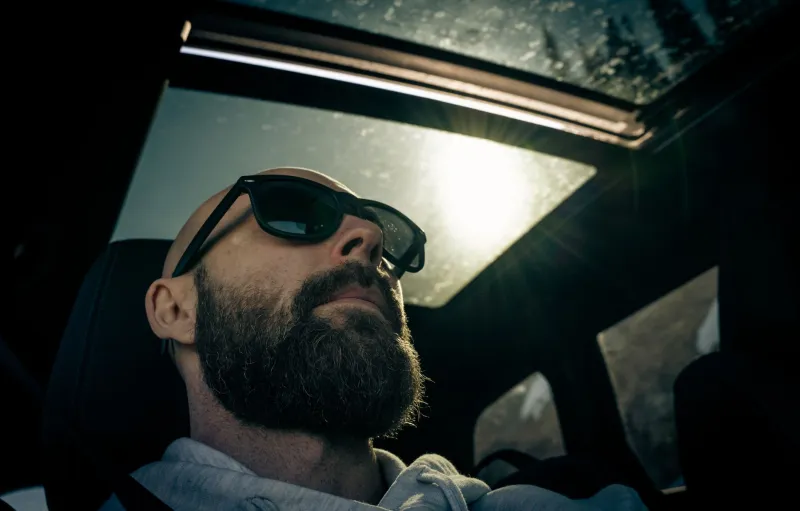
Hidden Gold: The Booming Resale Market for Vintage Aviator Sunglasses

Photo by Photo by Dmitry Mishin on Unsplash on Unsplash
Most people treat old sunglasses the way they treat old phones — once a newer model shows up, the previous one gets tossed in a drawer, sold at a garage sale for three bucks, or quietly forgotten. But here's the thing: if those sunglasses happen to be a discontinued pair of Ray-Ban Bausch & Lomb classics, a vintage Randolph Engineering military issue, or a rare Serengeti frame from the early '90s, you might be sitting on something genuinely valuable.
The resale market for quality aviator sunglasses has quietly exploded over the past several years, driven by a combination of nostalgia culture, fashion cycles, and a growing appreciation for American-made craftsmanship. Platforms like eBay, Depop, Grailed, and even Facebook Marketplace have become hunting grounds for collectors and style-conscious buyers who know exactly what they're looking for — and are willing to pay real money to find it.
Why Certain Aviators Hold (and Gain) Value
Not every old pair of sunglasses is a goldmine. The frames that command serious resale prices share a few key traits: they're made with genuine quality materials, they carry a recognizable name or provenance, and — crucially — they're no longer in production.
Take the Bausch & Lomb era of Ray-Ban aviators, manufactured in the US before the brand was sold to the Italian company Luxottica in 1999. Those frames were made with a different standard of quality than what came after. Collectors can feel the difference in the metal, see it in the lens markings, and they're willing to pay for it. Depending on condition and model, authentic B&L Ray-Bans can fetch anywhere from $80 to well over $400 on the secondary market — sometimes more for rare colorways or original packaging.
Similarly, military-spec aviators from brands like Randolph Engineering, which has been supplying the US Air Force since 1978, carry a heritage story that resonates with buyers. A vintage pair in good condition with original case and documentation? That's not just eyewear — that's a piece of American history.
Reading the Market: What's Hot Right Now
If you want to understand what's driving prices, spend an hour browsing completed listings on eBay. Filter by "sold" rather than active listings — sold prices tell you what buyers actually paid, not what sellers hope to get.
Right now, the categories generating the most consistent interest include:
- Pre-Luxottica Ray-Ban frames (look for "B&L" or "Bausch & Lomb" etched into the lens)
- NOS (New Old Stock) frames — vintage pairs that were never worn and still have original tags or packaging
- Limited edition colorways from major brands, especially those tied to collaborations or cultural moments
- Military-issue or government-contract frames with verifiable provenance
- Oversized '70s and early '80s styles that have cycled back into fashion relevance
Condition is everything. A scratched-up pair of rare frames might sell for $40. The same model in near-mint condition with the original case and papers could go for $300 or more.
How to Authenticate What You've Got
Before you list anything, you need to know what you actually have. This matters both for pricing accurately and for building trust with buyers.
For Ray-Ban frames, the most reliable authentication markers are the lens etchings. Genuine Bausch & Lomb-era lenses will have "B&L" or "Ray-Ban" etched directly into the glass — not printed, not stickered, etched. The frame quality is also noticeably different: heavier, with tighter tolerances at the hinges.
For other brands, look for:
- Country of origin markings ("Made in USA" on Randolph frames is a strong provenance signal)
- Model numbers and batch codes on the temple arms
- Original case and cleaning cloth (these small details significantly boost resale value)
- Any documentation, receipts, or original advertising materials
When in doubt, post photos to collector communities on Reddit — subreddits like r/sunglasses have knowledgeable members who can often authenticate frames at a glance.
Pricing Your Frames Without Leaving Money on the Table
Underpricing is the most common mistake first-time sellers make. They see a scratched-up version of their frame selling for $50 and list their pristine pair for $60, not realizing the mint-condition market is completely different.
Here's a simple pricing framework:
- Find three to five sold listings of the exact model in comparable condition
- Identify the condition tier — poor, good, excellent, or near-mint/NOS
- Add value for extras — original case adds 15–25%, original box and papers can add 30–40%
- Factor in platform fees — eBay and most resale platforms take 10–15% in fees, so build that into your asking price
If you can't find comparable sold listings, that's actually useful information — it may mean the frames are rare enough that you should list high and see what happens, or it may mean demand is limited. Either way, starting slightly above your floor price gives you room to negotiate.
The Investment Angle: Buying to Hold
Some collectors aren't just selling what they've accumulated — they're actively buying with an eye toward future appreciation. This is a legitimate strategy, but it requires discipline.
The frames most likely to appreciate over time are those already on a clear upward trajectory (consistent sold prices trending higher over 12–24 months), tied to a brand with ongoing cultural relevance, and scarce enough that supply isn't going to suddenly flood the market.
American-made frames from brands with military or aviation heritage tend to check all three boxes. If you find a pair of NOS Randolph Engineering frames from the 1980s at an estate sale, buying them at a fair price and holding them for a few years is a reasonable bet.
That said, treat this as a passion investment, not a retirement strategy. The joy of owning and occasionally wearing great frames is part of the value here.
Where to Sell (And How to Stand Out)
Ebay remains the largest marketplace for vintage eyewear and gives you the broadest reach. Grailed skews younger and fashion-forward, making it ideal for frames with streetwear or style credibility. Depop works well for aesthetically distinctive pieces with strong visual appeal. For truly rare or high-value frames, specialty vintage dealers and auction houses are worth considering — they bring in serious collectors willing to pay accordingly.
Regardless of platform, photography is your biggest selling tool. Natural light, clean background, multiple angles including close-ups of lens etchings and hinge details — these are what separate listings that sell quickly at full price from ones that sit for weeks.
Write your description like you're talking to someone who knows what they're looking at. Be specific about condition, note any flaws honestly, and lead with the details that matter: model name, era, materials, and what's included.
The Bottom Line
The aviator resale market rewards knowledge, patience, and an eye for quality. Whether you're clearing out a collection you've outgrown, hunting for a specific vintage pair, or quietly building a portfolio of frames that appreciate over time, there's real opportunity here. Your old aviators might just be the best investment you didn't know you were making.